Advancing Gender Equality Through Early Childhood Education
Student blog — 18/11/2025
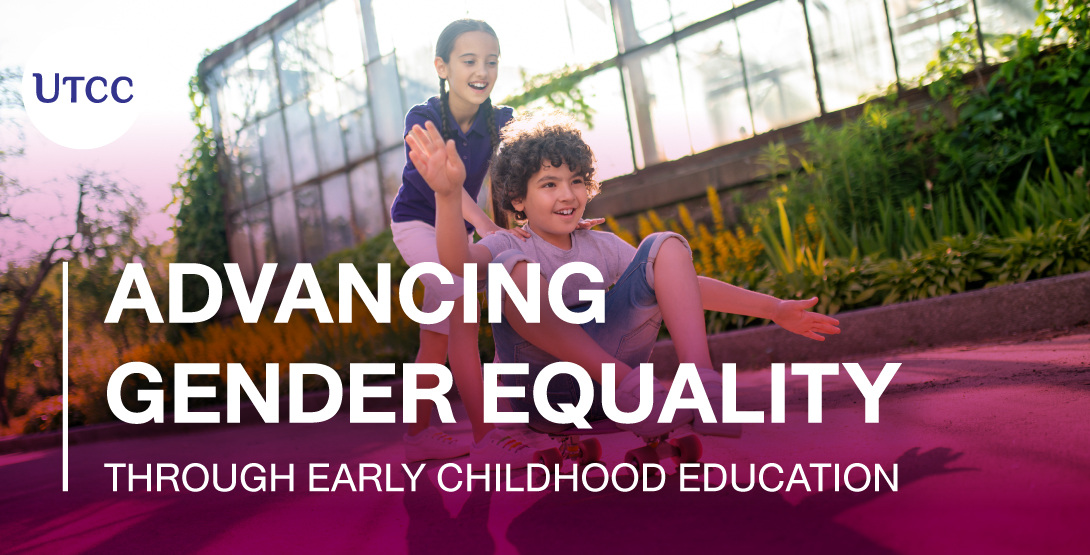
As an educator and researcher, my professional journey has been guided by a strong conviction that early childhood development is fundamental to human capital formation, where the fight against all forms of social inequality begins. Through the RIECE initiative—Reducing Inequality through Early Childhood Education—we collaborate with partner schools across rural and urban areas in Thailand to implement the HighScope curriculum, an early childhood program that aims to foster active learning and inclusivity in early years classrooms, despite limited resources. Our approach is grounded in decades of research by Nobel laureate James J. Heckman, whose studies have revealed that every investment in high-quality early education yields fruitful and sustainable long-term social and economic returns. Early childhood education, therefore, is far more than just a childcare service—it is an impactful and strategic investment in promoting social equality for generations to come.
At the Forum, I emphasised the crucial role of nurturing young future educators as change agents who promote social equality in their own classrooms. Without question, early childhood teachers are among the first people in childrens’ lives to introduce social concepts and shape their perception of themselves and others. The gender norms which children naturally absorb at this stage in the preschool environment can either reinforce rigid gender stereotypes or inspire them to become who they want to be —a lifetime of equality, where there are no limits to what girls and boys can become. By using inclusive language, designing gender-neutral play spaces, and offering diverse role models through storybooks and classroom materials, teachers are able to help all children explore their interests freely.
Our faculty’s partnership with RIECE ensures that both pre-service teachers receive continuous, hands-on mentoring to support them throughout their professional journey. We train them to reflect critically on their own biases and to design inclusive classrooms where all children feel safe and belong. In addition, their participation in research projects and relationship with community enable them to view themselves not only as teachers but also as advocates for social justice.
However, the journey toward equality does not end at the door of preschools. In our endeavours to connect with the community, we work closely with families to challenge traditional gender roles in parenting. Initiatives like the Reach Up Parenting Programme, which our team implemented in collaboration with the University of the West Indies and Thailand’s Equitable Education Fund, have empowered parents in low socio-economic status families, especially grandparents to take active roles in supporting their grand child development. Moreover, the Home visits programme have helped us demonstrate gender neutral caregiving practice, encouraging both boys and girls to play freely, whilst seamlessly deliver the message of gender equality to parents. These small, practical actions are what we believe to be the viable approach to address gender equality without confrontation.
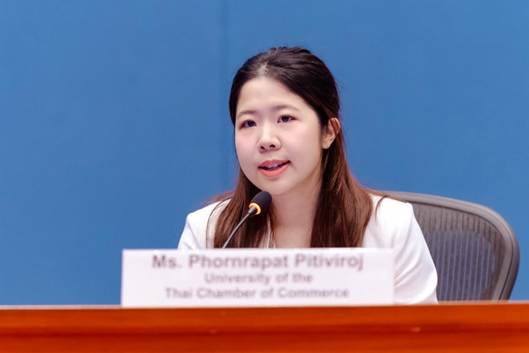
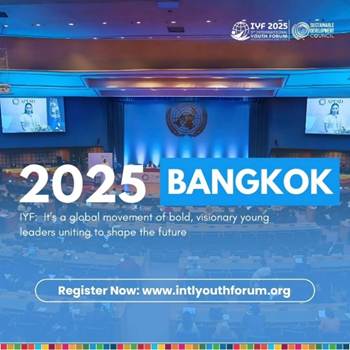
When I spoke to young leaders at the Forum, my message was simple: you don’t need a title to lead change. Leadership begins with empathy, courage, and small actions. Most importantly, I want the educators to not underestimate the ripple effects of their work as we can change the lives of students through our daily words and deeds. My last remark was that by starting early, we are not only teaching lessons—we are building the society where future generations that will see equality not as an aspiration, but as a natural way of life.
ผู้เขียน: อาจารย์ภรภัทร ปิติวิโรจน์
📱สนใจสมัครเรียนหรือสอบถามข้อมูลเพิ่มเติม ติดต่อ:
– คณะการศึกษาปฐมวัย มหาวิทยาลัยหอการค้าไทย
– โทร: 02-6976664-5
– เว็บไซต์: https://ece.utcc.ac.th
– Facebook: https://www.facebook.com/EarlyChildhoodUTCC
– Instagram: ece.utcc
– TikTok: ece.utcc
#อยากเป็นครู #ศึกษาศาสตร์ #ม.เอกชน #ครูปฐมวัย #ครูอนุบาล #เรียนต่อปริญญาตรี #UTCC #การศึกษาไทย